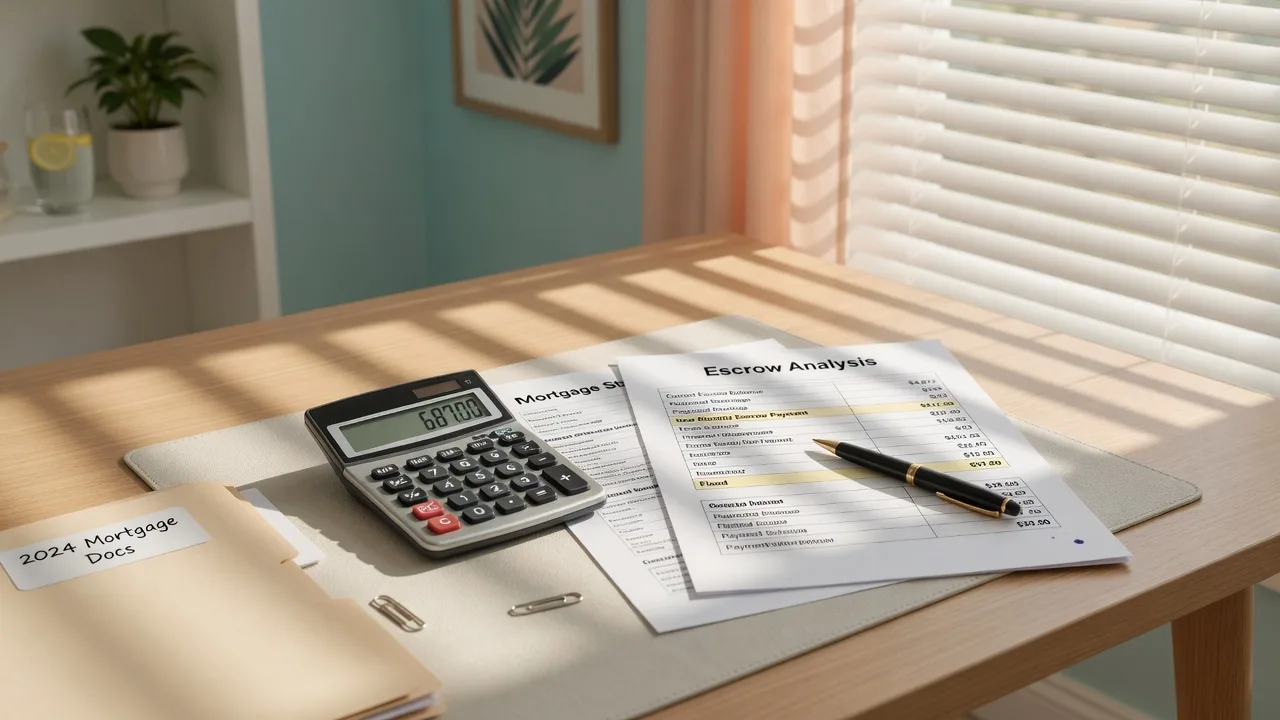
If you own a home in Florida and your monthly mortgage payment just jumped by $200, $300, or more, you are not alone. Escrow shortages have become one of the most common and frustrating surprises for Florida homeowners in 2026.
An escrow shortage happens when your lender's estimate of your property taxes and insurance premiums falls short of what those bills actually cost. And in Florida right now, those costs are rising faster than almost anywhere else in the country.
But here is the good news: understanding how escrow works, why shortages happen, and what you can do about them puts you back in control. There are real solutions, including a lesser-known option called mortgage recasting that can lower your monthly payment without refinancing.
Let's break it all down step by step. Whether you live in Miami-Dade, Palm Beach, Broward, the Florida Keys, or anywhere else I serve, these principles apply.
What Is an Escrow Account and How Does It Work?
When you have a mortgage, your lender often requires an escrow account. Each month, a portion of your payment goes into this account, and when your property tax bill or homeowners insurance premium comes due, the lender pays those bills from the escrow balance.
About 80% of Florida mortgages use escrow accounts. They exist to protect both you and your lender by ensuring those big annual bills are paid on time, rather than arriving as a surprise lump sum.
The challenge is that the amount your lender collects each month is based on an estimate. When actual costs go up more than expected, the escrow account runs short, and the lender sends you an escrow analysis notice with the news: your payment is going up.
Why Escrow Shortages Are Surging in Florida
Escrow costs for Florida homeowners have risen roughly 70% since 2019, the highest increase in the country. Two main forces are driving this:
1. Homeowners Insurance Premiums
Florida homeowners insurance has gone from expensive to staggering. Statewide average premiums now run from $5,800 to $7,200 per year, and in coastal areas like the Keys, Palm Beach, and Miami-Dade, you can easily see $8,000 or more annually. Some Florida homeowners have reported individual premium increases of 50% to 70% in a single year. That kind of jump creates an immediate escrow shortage because the lender was collecting based on the old, lower premium.
2. Property Tax Reassessments
Florida has no state income tax, so property taxes are a significant source of revenue. When you buy a home, the property is reassessed at the new purchase price. If the previous owner had a homestead exemption with the Save Our Homes 3% annual cap, the gap can be massive. On a $600,000 purchase where the prior assessed value was $350,000, the reassessment can add roughly $200 to $330 per month to your tax bill. This is sometimes called the "year-two escrow shortage" because it hits in your second year of ownership.
Together, these two forces mean many Florida homeowners are seeing total escrow-driven payment increases of $200 to $500 per month, sometimes more.
How an Escrow Analysis Works
Your mortgage servicer performs an escrow analysis every 12 months. Federal law (RESPA) requires them to send you a detailed statement showing:
- What was collected in escrow over the past year
- What was actually paid out for taxes and insurance
- The current account balance
- Projected payments for the coming year
- Whether there is a shortage, surplus, or deficiency
A shortage means the account has less than what was needed. A deficiency means the account is negative (the lender paid bills out of pocket). A surplus means you overpaid, and you may receive a refund or credit.
When there is a shortage, the lender recalculates your monthly payment to make up the difference over the next 12 months, plus collect the new higher amount going forward.
Your Options for Fixing an Escrow Shortage
Option 1: Pay the Shortage as a Lump Sum
If you can afford it, paying the full shortage amount in one lump sum is the cleanest fix. Your monthly payment still goes up to cover the new ongoing costs, but you avoid the temporary surcharge that comes from spreading the shortage over 12 months.
Option 2: Spread the Shortage Over 12 Months
This is the default option for most lenders. The shortage is divided into 12 equal payments and added to your new base payment. It means a larger total monthly increase, but no big lump sum upfront.
Option 3: Shop for Cheaper Homeowners Insurance
This is often the most effective long-term fix. Work with an independent insurance agent who can shop multiple carriers. Florida's insurance market has seen new companies enter and existing ones expand, so rates vary significantly between providers. A few hours of shopping can save hundreds or even thousands per year.
Option 4: Appeal Your Property Tax Assessment
If you believe your home's assessed value is too high, you can file an appeal with your county's Value Adjustment Board. This process varies by county across Florida, but a successful appeal can reduce your tax bill for the current year and going forward.
Option 5: Request an Escrow Reanalysis
Mistakes happen. If you believe your lender miscalculated the shortage or used incorrect figures, you can request a reanalysis. Be prepared to provide documentation such as your actual tax bill and insurance declaration page.
What Is Mortgage Recasting and How Can It Help?
Mortgage recasting, also called re-amortization, is one of the most underutilized tools in a homeowner's toolkit. Here is how it works:
You make a lump-sum payment toward your principal balance, and the lender recalculates your monthly payment based on the new lower balance over your remaining loan term. Your interest rate, loan term, and loan type all stay exactly the same. The only thing that changes is your monthly payment, which goes down.
Think of it as resetting the amortization schedule with a smaller loan amount.
When Recasting Makes Sense for Florida Homeowners
Recasting is especially valuable right now if you:
- Locked in a low rate during 2020 or 2021 and want to lower your payment without refinancing into today's higher rates
- Received a windfall like an inheritance, bonus, or proceeds from selling another property
- Want to offset an escrow-driven payment increase by lowering your principal and interest portion
- Plan to stay in the home long-term and have cash you want to put to work reducing your monthly obligation
Recasting vs. Refinancing in 2026
With mortgage rates in the mid-to-high 6% range, refinancing only makes sense if you can lower your rate by at least 0.75% to 1%. If your current rate is 3.5% or 4%, refinancing to 6.75% would increase your payment, not lower it.
Recasting lets you keep your low rate while still cutting your monthly payment. Fees are typically $150 to $500, there is no credit check, no appraisal, and no new closing costs. The process usually takes 30 to 45 days.
Limitations of Recasting
- You generally need a minimum principal reduction of $5,000 to $10,000, depending on the lender
- FHA, VA, and USDA loans are not eligible for recasting under current rules
- It does not reduce your interest rate or shorten your loan term
- You need a meaningful lump sum to see a meaningful payment reduction
I believe an educated buyer makes better financial decisions. My job isn't to sell you a mortgage. It's to help you understand your options, avoid costly mistakes, and choose the financing strategy that truly fits your goals.
Austin Edwards, Mortgage Loan Originator · NMLS #2639747
How to Prepare for Future Escrow Increases
Build an Escrow Buffer Into Your Budget
Plan for escrow costs to increase 10% to 20% per year in Florida right now. If your current total housing payment is $2,800 per month, mentally prepare for it to be $3,100 or more within a couple of years. If that feels uncomfortable, consider whether a lower-priced home or one with lower insurance costs (further inland, newer construction, impact-resistant windows) fits your long-term comfort zone.
Shop Insurance Annually
Loyalty does not pay in Florida insurance. Rates change constantly as carriers adjust their risk models. Set a calendar reminder to shop your homeowners insurance policy every year before renewal. Even a $600 savings on insurance reduces your monthly payment by $50.
Apply for Homestead Exemption Right Away
If you buy a home in Florida and it will be your primary residence, apply for the homestead exemption as soon as you close. It reduces your taxable value by up to $50,000, and the Save Our Homes amendment caps annual assessed value increases at 3%. The longer you own the home, the more valuable this cap becomes.
Keep a Small Emergency Fund for Housing
An extra $2,000 to $5,000 set aside specifically for housing cost adjustments can make the difference between stressing over an escrow shortage letter and simply writing a check for the lump sum.
Frequently Asked Questions
What is an escrow shortage and why did my mortgage payment go up?
An escrow shortage means your lender did not collect enough money in your escrow account to cover your actual property taxes and insurance premiums. When that happens, they increase your monthly payment to make up the difference and collect the correct amount going forward. In Florida, surging insurance premiums and property tax reassessments are the main drivers.
How much is the average escrow shortage in Florida?
Many Florida homeowners are seeing escrow-driven payment increases of $200 to $500 per month. The total shortage amount depends on how much your insurance and taxes increased versus what the lender estimated. Some homeowners report shortages of $2,000 to $6,000 or more in a single year.
Can I pay the escrow shortage in a lump sum instead of higher monthly payments?
Yes, most lenders give you the option to pay the full shortage as a lump sum. This avoids the temporary surcharge that gets added to your monthly payment over 12 months. Your payment will still increase to cover the new ongoing costs, but you will not have the extra catch-up amount layered on top.
What is mortgage recasting and how is it different from refinancing?
Mortgage recasting lets you make a lump-sum payment toward your principal, and the lender recalculates your monthly payment based on the new lower balance. Your interest rate, loan term, and loan type stay the same. Refinancing replaces your existing loan with a new one at a new rate. In today's higher rate environment, recasting is often the smarter choice if you have a low rate and a lump sum available.
Are FHA or VA loans eligible for recasting?
Under current rules, FHA, VA, and USDA loans are generally not eligible for recasting. This option is typically available only for conventional loans backed by Fannie Mae or Freddie Mac. If you have a government-backed loan and want to lower your payment, a rate-and-term refinance may be an option if rates drop enough.
How can I avoid an escrow shortage on my Florida home?
Shop your homeowners insurance annually to keep premiums competitive, apply for homestead exemption as soon as you close, appeal your property tax assessment if it seems high, and consider setting aside extra funds in a housing reserve account. If you receive a large lump sum of cash, ask your lender about recasting to lower your principal and interest payment.

Austin Edwards
Mortgage Loan Originator · NMLS #2639747
Austin helps Florida homebuyers and homeowners understand their mortgage options and make confident financial decisions. He believes an educated borrower makes better choices.
More Resources
For more on managing your mortgage, check out our guides on Florida homeowners insurance costs, closing costs explained, and when refinancing makes sense. Or reach out to Austin directly with your specific situation.
Have a question? Ask Austin.
Every homeowner's situation is different. If something in this article raised a question about your own mortgage or escrow account, Austin would love to hear from you. No commitment, no sales pitch. Just a straight answer.
Ask Austin a QuestionReady to take control of your mortgage?
Whether you are buying your first home, shopping for better insurance, or wondering if recasting makes sense for you, Austin can help you understand your options and build a plan that fits your life.